The Expanding Relationship Between Libraries and Technology
Technology has become a central influence on the direction libraries choose to move. Although printed materials remain a constant presence, the broader information landscape has shifted toward mixed-format engagement. This change encourages libraries to refine how digital systems support discovery and access. Not long ago, digital services were supplementary tools that complemented the physical collection. Today they are foundational. Catalogs rely on integrated search layers, digital artifacts require careful organization, and user preferences increasingly revolve around remote accessibility. Technology does not replace the library. It broadens its reach by giving people flexible paths to knowledge.
One of the most notable developments involves adaptive discovery interfaces. These interfaces analyze query patterns, refine search predictions, and highlight content clusters that may interest the reader. Instead of offering a list of disjointed results, they create an environment that prompts exploration. Such systems require thoughtful design since their function touches the core of how information is interpreted. Libraries must ensure accuracy, transparency, and fairness in how results appear. The result is an ecosystem where technology supports user intention rather than dictating it.
A second area of technological expansion lies in digital preservation. As cultural artifacts shift from print to digitized files, libraries develop strategies to maintain durable access. Preservation involves more than simply storing files. It demands attention to format stability, metadata integrity, and long-term readability. Professionals responsible for preservation must consider how future technologies might interpret contemporary formats. This forward-thinking approach ensures that digital collections remain accessible across generations, strengthening the legacy of the library as a trusted keeper of recorded knowledge.
Finally, technology enables wider participation in learning. With resources available online, distance and limited mobility no longer act as barriers to education. A reader can access research material from home, explore reference databases, or join remote programs that encourage community engagement. This expanded accessibility reflects a trend toward inclusivity that continues to define the modern library’s mission.
The Evolution of Reading Behaviors Across Generations
Reading habits continuously evolve in response to social, cultural, and environmental changes. These changes influence the material libraries select, the services they prioritize, and the ways they design their spaces. A growing trend among younger readers involves alternating between multiple formats depending on context. Many enjoy digital texts for fast reference and portability while still turning to physical books for immersive reading. This dual-format pattern encourages libraries to maintain balanced collections that support both convenience and tactile engagement.
Another emerging behavior centers on short-form reading. The prevalence of rapid information streams shapes expectations for immediate clarity. When people seek quick knowledge, they turn to brief summaries, focused guides, or concise articles. Libraries respond by curating collections that include fast-digesting resources alongside traditional long-form works. This mix accommodates the needs of diverse learning styles, ensuring readers have material suited to their pace and purpose.
At the same time long-form reading remains essential. Many individuals value extended concentration and deep narrative immersion. Libraries actively promote materials that support these experiences by highlighting literature, historical works, and research that inspire sustained attention. This balance between short and long reading formats indicates that trends do not eliminate older habits. Instead, they expand the range of reading options. Readers continue to seek enrichment, but their approaches vary in ways that reflect modern life.
A final trend involves shared reading environments. People increasingly seek communal spaces where they can read independently while feeling connected to others. Libraries offer this environment by designing areas that support silent focus yet still convey a sense of collective learning. This blend of privacy and togetherness reflects a broader trend toward community-based reading culture.
The Changing Purposes of Library Programs
Library programs once centered primarily on reading groups, basic instruction, and general information sessions. Today programs serve far broader goals. They introduce people to emerging tools, strengthen digital literacy, support career development, and encourage personal growth. These programs evolve in response to community needs. When an area experiences increased demand for technology skills, libraries establish workshops on software, information evaluation, and device use. When communities seek cultural enrichment, libraries host lectures, exhibits, and artistic events that invite thoughtful reflection.
A significant trend involves offering multigenerational programming. Libraries now design events that appeal to participants of different ages simultaneously. A single program might involve storytelling for children, guided discussion for adults, and creative activities that bring families together. This approach supports intergenerational understanding while strengthening the library’s role as a gathering point. Programs no longer exist as isolated events. They form part of a larger system of engagement that reinforces the library’s purpose as a connector of people, ideas, and experiences.
Another trend focuses on experiential learning. Visitors increasingly prefer interactive formats that allow them to learn by doing. Libraries support this through maker sessions, hands-on workshops, and collaborative projects. Experiential learning introduces practical skills while building confidence. It also supports curiosity, which is one of the most valuable traits a library can encourage. As more people adopt this form of learning, libraries adjust their programming to align with those expectations.
These shifts demonstrate that library programs continue to move beyond traditional instruction. They emphasize adaptability, creativity, and community connection, reflecting the evolving needs of the people they serve.
The Reimagining of Physical Spaces Within Libraries
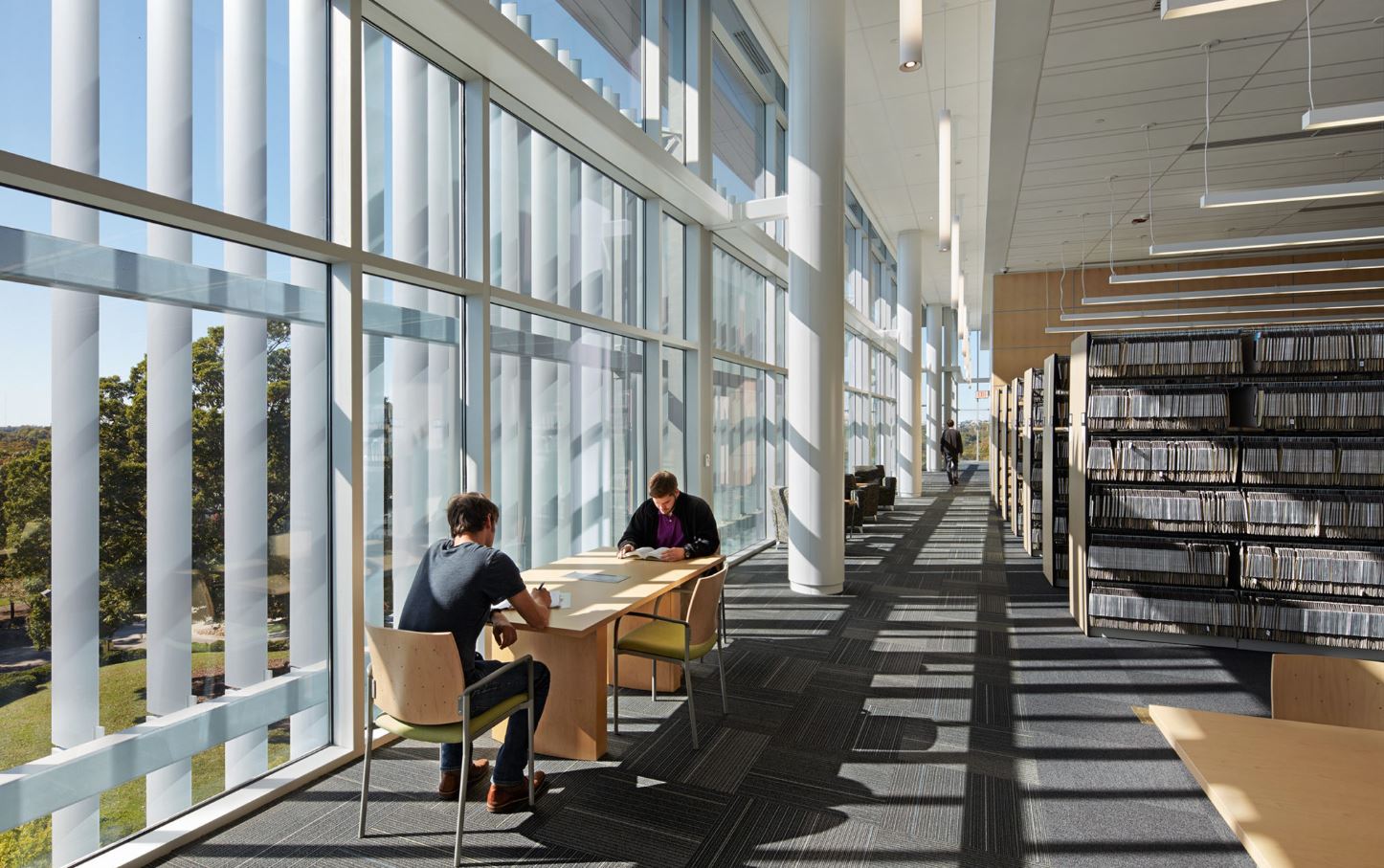
Library architecture is undergoing a quiet transformation. Rather than relying solely on traditional layouts, designers now integrate flexible structures that support a variety of activities. Spaces once defined by strict purpose are becoming more adaptable. Study rooms transform into presentation areas. Reading zones expand to include collaborative tables. Technology labs coexist with quiet corners for deep focus. This versatility ensures that the physical environment remains useful as community needs shift.
One noticeable trend involves the use of natural materials and warm tones. Designers aim to create environments that feel inviting, comfortable, and grounded. Soft lighting, textured surfaces, and open sightlines help visitors feel at ease. These elements mirror the qualities of a well-loved book: warmth, familiarity, and tactile richness. The atmosphere encourages reflection and sustained attention, which is essential for learning.
A second architectural trend addresses accessibility. Libraries increasingly design spaces that accommodate individuals with diverse abilities. Wider pathways, adjustable seating, clear signage, and sensory-friendly areas ensure that all visitors can navigate comfortably. Accessibility extends beyond physical design. Information must be easy to understand, and digital resources must include tools that support different forms of engagement. This commitment to accessibility reflects a broader trend toward equity in public spaces.
Libraries also incorporate areas designed for community events. These multipurpose rooms support workshops, talks, and creative gatherings. Their flexibility ensures they remain relevant even as community interests change. By providing spaces that adapt, libraries foster a sense of belonging and encourage ongoing participation.
The Influence of Cultural Shifts on Library Collection Development
Collection development has always required careful stewardship. Today the process involves even greater nuance due to the volume of content being produced and the diversity of reader expectations. Librarians now evaluate materials across multiple formats while considering cultural relevance, representation, and long-term value. A major trend involves expanding collections to reflect diverse voices. Readers want stories and perspectives that align with their identities as well as those that introduce unfamiliar experiences. Libraries respond by selecting materials that promote inclusivity while maintaining balanced representation.
Another trend emphasizes curated discovery. As collections grow, libraries seek ways to help readers navigate abundant options. Curated lists, thematic displays, and personalized recommendations offer structure without limiting choice. These tools guide readers toward materials that align with their interests while also encouraging exploration of new topics. Curated discovery mirrors the guidance a knowledgeable librarian might offer during a conversation, adapted for both digital and physical browsing.
Libraries also develop specialized collections that serve specific community needs. Local history archives, cultural heritage materials, career development resources, and language learning collections provide depth and context for readers. These focused collections strengthen the library’s role as a cultural and educational anchor.
Taken together these trends reflect a dynamic approach to collection development. Libraries remain committed to quality, diversity, and relevance, ensuring their collections evolve in harmony with cultural shifts.
The Rising Importance of Information Literacy
Information literacy has emerged as one of the most important trends shaping the future of libraries. People now navigate an environment filled with complex information streams that vary widely in reliability. Libraries address this challenge by offering tools and training that empower individuals to evaluate sources, distinguish fact from opinion, and understand the context behind the materials they encounter. This training becomes essential in an era where information spreads quickly and often without adequate verification.
Workshops and instructional sessions form only part of the effort. Libraries also integrate information literacy principles into daily interactions. When patrons ask for research assistance, staff guide them through search strategies, evaluation criteria, and interpretation methods. These conversations strengthen critical thinking skills. Information literacy becomes a practical skill used not only for academic purposes, but also for everyday decision making.
As the information landscape continues to expand, libraries refine their literacy initiatives to address new challenges. They introduce strategies for assessing digital media, understanding research methodologies, and identifying trustworthy news sources. This ongoing refinement ensures literacy remains relevant and effective.
The Future Direction of Library Trends
Predicting future trends involves understanding current patterns and imagining how they may unfold. The most significant direction points toward integration. Libraries will integrate digital and physical resources more seamlessly. They will blend independent learning with guided support. They will combine traditional reading culture with new forms of media. Integration does not replace older practices. It brings them into harmony with emerging expectations.
Another future direction centers on community-centered design. Libraries will increasingly use feedback, observation, and demographic analysis to build services tailored to local needs. Programs, spaces, and collections will align more closely with the goals of the populations they serve. This adaptive approach ensures libraries remain responsive and relevant.
The future also leans toward sustainability. Many libraries already implement energy-efficient designs, recycling initiatives, and resource-conscious practices. These efforts will continue to grow, shaping how buildings operate and materials are selected. Sustainability reflects a commitment to long-term stewardship, which aligns naturally with the library’s role as a guardian of knowledge.
While trends evolve, one constant remains. The library continues to adapt not because it seeks novelty, but because it seeks to serve. The needs of readers, learners, and communities shape its trajectory. Trends merely reflect the choices libraries make to uphold their mission. In this sense the future of libraries will always reflect the values that define them today.