Discovery as a Fundamental Part of the Library Experience
Discovery forms the heart of every meaningful library visit. People rarely enter a library with perfect clarity about what they will find. Even those who arrive with a specific goal often uncover additional insights that expand their understanding. Discovery happens through movement, attention, and chance. It arises when someone turns a corner in a shelving area, scrolls through an online catalog, or asks a librarian a question that leads to an unexpected direction. The library encourages this form of learning because it removes barriers and presents information in ways that reward curiosity. The visitor is free to wander and interpret.
People discover differently based on their personal patterns. Some wander across genres, exploring new fields through intuition rather than structure. Others rely on catalog tools that guide them through layers of metadata, subject headings, or related topics. Many blend these methods, moving between browsing and directed search. Libraries support all these styles through diverse pathways. Each shelf arrangement, catalog interface, signage system, and staff interaction provides a unique entry point to knowledge. These pathways do not compete with one another. They complement the many ways humans learn.
Discovery creates emotional experiences that shape a visitor’s connection to the library. The excitement of finding a book that answers a long standing question, the comfort of discovering an inspiring story, the clarity that comes from locating a well organized resource, or the surprise of encountering something entirely new all contribute to a reader’s sense of belonging. These moments build lifelong relationships with libraries. They create memories that influence future visits and sustain the growth of curiosity throughout life.
The discovery process also strengthens the ecosystem of the library. When visitors engage deeply with materials, they help staff understand which topics resonate with the community. This interaction influences acquisition strategies, programming decisions, and catalog improvements. The flow of discovery becomes circular. Libraries inspire visitors, and visitors, through their choices, shape the future direction of the library.
The Role of Physical Browsing in Modern Knowledge Exploration
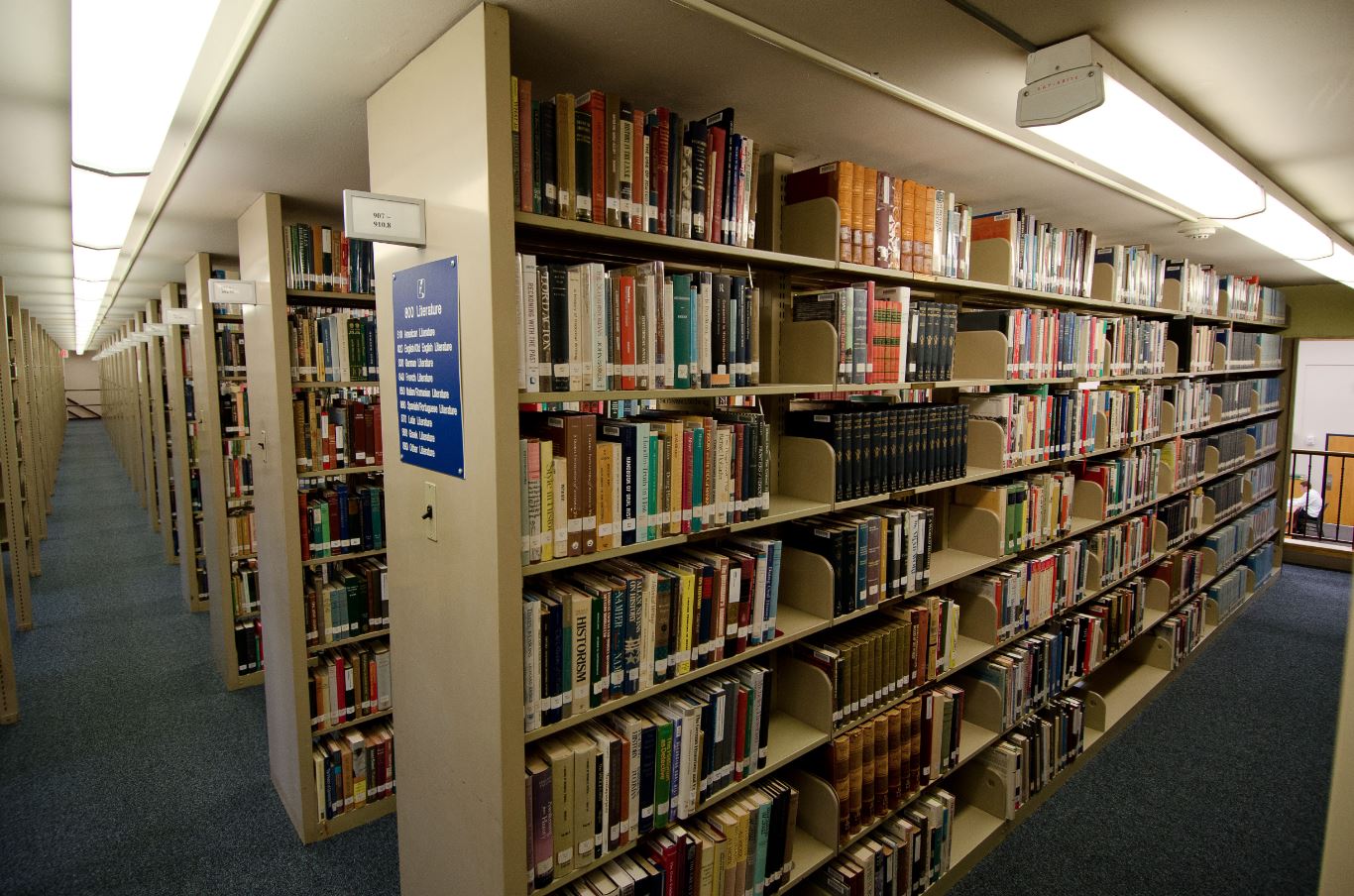
Even in a digital age, browsing physical shelves remains a powerful form of discovery. Shelves reveal relationships between topics that are harder to perceive in online lists. A visitor may approach a shelf with one intention and find themselves drawn to an unexpected subject two rows down. The spatial arrangement of books forms a map of ideas that encourages cross disciplinary exploration. Libraries design these layouts carefully to create intuitive navigation while preserving enough openness for unplanned encounters. Each section becomes a landscape where ideas unfold naturally.
The tactile experience reinforces the connection to information. Handling a book slows the pace of exploration and encourages reflection. The weight, texture, and design all contribute to a sense of presence that enhances learning. People often remember insights more clearly when they are attached to sensory experiences. This connection helps them retain information and build personal meaning around what they discover. It also brings a sense of calm that contrasts with the rapid pace of digital browsing. Physical exploration invites attention rather than urgency.
Browsing supports readers at all levels of familiarity with a topic. Beginners can scan shelves and intuitively sense the structure of a subject field. Experienced researchers can locate materials that digital systems may not surface due to indexing variations. Children often learn to love reading through exploration that feels playful and open ended. Physical browsing encourages independence, experimentation, and imagination. These strengths ensure that shelves remain an essential element of the discovery process.
Despite technological advances, the physical library continues to offer advantages that digital systems cannot replicate entirely. The open space invites community interaction, the displays offer curated insight, and the arrangement of materials creates a gentle form of guidance. Physical browsing gives visitors freedom while still supporting their journey. This balance sustains its value in a world that relies increasingly on digital tools.
Digital Portals and the Expansion of Library Discovery
Digital discovery has become central to modern library life. Online catalogs, search interfaces, curated reading lists, and integrated databases allow people to explore materials from anywhere. These tools extend the library beyond its physical walls and offer access to resources that exceed local collections. A reader can search across formats, languages, and subjects with precision. They can filter results, review summaries, explore author backgrounds, and follow related topics through digital pathways. This flexibility broadens the scope of learning and invites deeper analysis.
Digital systems introduce a different rhythm of discovery. Instead of browsing linear shelves, users navigate branching paths. Metadata structures guide their steps. Subject descriptors, keywords, call numbers, and tags create an invisible architecture that organizes knowledge. Users may stumble upon materials they did not initially seek but that enrich their understanding. These discoveries happen through associations built into the system. When designed well, digital interfaces support intuitive navigation and encourage exploration that mirrors the creativity found in physical browsing.
Libraries invest significant effort into maintaining and improving digital access. Staff review metadata accuracy, refine search tools, and integrate new technologies that support improved discovery. They evaluate user patterns to understand which pathways are effective. Many libraries also collaborate with external partners to expand their digital holdings. These partnerships provide access to academic journals, multimedia materials, and specialized resources that strengthen community knowledge. The result is a digital environment that supports both casual browsing and rigorous research.
Digital discovery complements the physical library rather than replacing it. Visitors often begin their search online and continue it in person. Others discover materials in the library that inspire broader digital exploration. The two modes enhance each other by offering flexible approaches that adapt to individual learning styles. Together, they create a robust discovery ecosystem that serves modern communities with depth and accessibility.
The Librarian’s Influence on the Discovery Experience
While technology and shelving systems support discovery, staff play an equally important role. Librarians guide visitors through the complexity of information landscapes. They interpret catalog structures, recommend reliable sources, and assist with search strategies. Their ability to ask thoughtful questions helps visitors articulate their needs. Often people do not know how to frame their questions, and librarians use experience to translate vague goals into actionable paths. This guidance shapes many of the most meaningful discovery experiences.
Librarians also observe community patterns and tailor services to meet emerging needs. They notice shifts in interest, such as growing demand for specific genres or subjects. They update displays, curate lists, and adjust programming to reflect these patterns. Their work ensures that the library remains responsive and aligned with its users. This attentiveness encourages visitors to return. When people sense that the environment adapts to their needs, they feel more connected and confident in their search.
Instruction represents another crucial element of librarian support. Workshops on research skills, digital literacy, citation methods, or technology usage empower community members to conduct independent discovery. These opportunities expand the reach of library services by providing long term benefits. A visitor who learns effective research techniques becomes more capable in academic, professional, and personal pursuits. The library thus supports not just immediate discovery, but sustained growth.
The combination of human guidance and system design creates a balanced experience that supports diverse learning styles. Librarians refine pathways that help users navigate complexity, while digital and physical environments offer choices that align with personal preference. This collaborative structure makes the discovery process accessible, engaging, and rewarding.
Unexpected Encounters and the Joy of Unplanned Learning
Some of the most memorable library experiences arise from unexpected encounters with information. A reader may pick up a book based on its cover design, only to discover a subject that becomes deeply meaningful. A researcher might stumble upon a reference work that clarifies a confusing concept. A child could open a picture book that inspires imagination in surprising ways. These unplanned discoveries enrich people’s lives because they introduce ideas they might never have thought to seek intentionally. The unpredictable nature of exploration reflects the broader truth that learning often unfolds through chance.
Libraries embrace this spontaneity. Display tables, endcap arrangements, reading challenges, curated lists, and themed events provide gentle invitations to explore topics outside one’s usual range. Staff use their knowledge to highlight materials that spark curiosity. These elements encourage readers to take small risks and dip into unfamiliar territory. When someone discovers something new, they often return with a renewed sense of engagement. The cycle of surprise and curiosity helps sustain lifelong learning.
Unplanned learning also promotes reflection. When a reader encounters something unexpected, they ask new questions. These questions lead to further exploration, encouraging a continuous search for understanding. This reflective cycle strengthens the intellectual foundation of the community because it promotes flexible thinking, open mindedness, and willingness to explore diverse perspectives. The library becomes a space where this reflective journey is encouraged and supported.
The joy of discovery enhances emotional well being. Learning something new offers a sense of accomplishment and connection. It gives people confidence to approach future challenges and motivates them to continue exploring. This emotional dimension of discovery often remains overlooked, yet it is central to why libraries hold enduring value. They offer a place where people can reconnect with their curiosity in a world that often distracts or overwhelms.
How Discovery Shapes the Future of Library Services
Discovery not only influences individual learning but also guides the direction of library development. Staff monitor patterns of engagement to understand what resonates with visitors. These insights inform decisions about acquisitions, programming, layout adjustments, and digital investments. Libraries respond to these signals by refining their services while remaining true to their mission of equitable access. Through this process, discovery becomes a collaborative dialogue between the institution and its community.
Future library innovations will likely expand personalized discovery pathways. Advances in catalog interfaces, recommendation models, and interactive exploration tools may offer more intuitive ways for users to navigate complex collections. Staff will continue to play essential roles in shaping the ethical and practical boundaries of these tools. The goal will remain the same: to help visitors find what they need while preserving the freedom to wander, explore, and invent their own learning journeys.
Libraries may also deepen integration with cultural institutions, educational partners, and community groups to create richer discovery environments. Collaborations could lead to shared exhibits, interactive learning events, or combined digital resources that strengthen the overall experience. These partnerships reflect the growing recognition that discovery is not confined to a single location. It is a community wide process supported by many contributors.
The broad impact of discovery ensures that libraries will remain vital in the future. As long as people continue searching for meaning, understanding, and inspiration, libraries will offer pathways that support them. Discovery provides a lifelong framework for growth. It builds resilience, nurtures imagination, and strengthens connections between people. In this way, the library continues to evolve not only as a repository of knowledge but as a living engine of exploration.