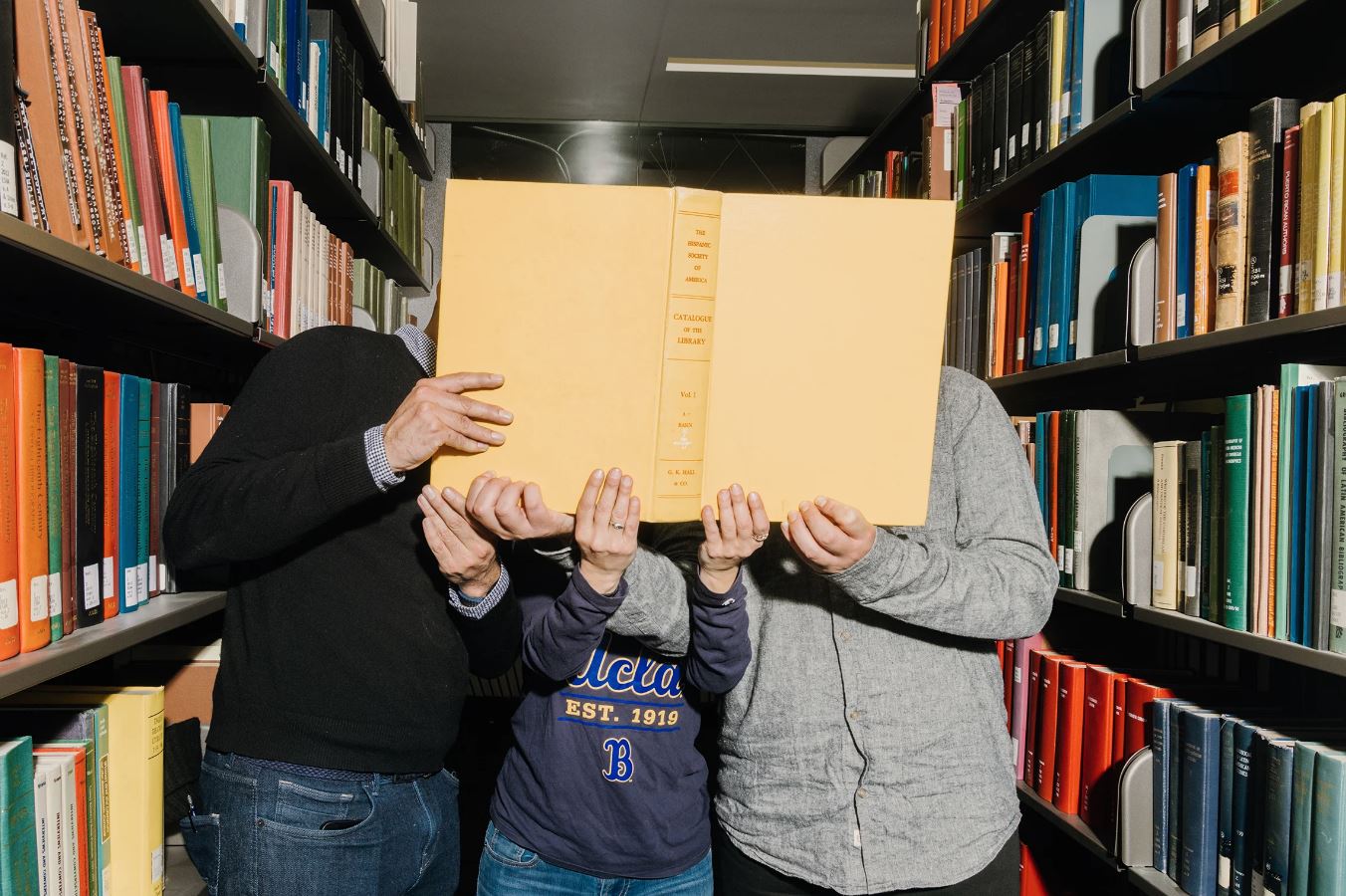
How Community Identity Forms Inside the Library Space
A community often understands itself through the places where people gather, share experiences, and exchange ideas. The library is one of the few remaining public spaces where this interaction happens naturally without a requirement to purchase something or meet a specific qualification. When community members walk through its doors, they enter an environment that reflects their collective needs and aspirations. The shelves carry stories from many cultures, the programs highlight issues relevant to local life, and the atmosphere encourages calm exploration. Each visitor interprets the space differently, yet the shared experience of learning together forms a quiet layer of identity that binds people in subtle but meaningful ways.
Community identity inside a library grows gradually through repeated encounters. A child may attend story time each week, forming early associations between imagination and public space. A teenager might come to study after school, finding stability during challenging periods of personal growth. Adults return for research, self development, or connection through workshops. Seniors often seek company, routine, or a sense of purposeful activity. These patterns accumulate over time and create a rhythm unique to each branch. As these rhythms stabilize, the library becomes a mirror that reflects the lived character of its surrounding neighborhood.
In many towns and cities, the library serves as a civic anchor. It remains open during emergencies when other institutions close, providing both physical refuge and informational clarity. It often becomes a central point for distributing essential guidance, whether related to health, education, or government resources. This reliability deepens trust and strengthens the perception of the library as a steady presence. As people encounter one another in this environment, they gain an awareness that their individual needs exist within a larger framework of shared experience.
The identity of the community evolves as the library evolves. When new materials, programs, or technologies are introduced, they shift the cultural expectations of the population that uses them. This reciprocal exchange shapes the long term character of both the community and its library. The building becomes more than a place. It becomes a story told through collaboration, care, and continued adaptation.
The Role of Libraries in Expanding Educational Pathways
Education does not flow only from classrooms. It emerges from countless small interactions people have with information, mentors, and tools. Libraries strengthen these pathways by offering free access to materials that enrich learning at every stage of life. A student preparing for exams may find practice guides that they could not obtain elsewhere. A parent searching for resources to support a child’s development might discover early literacy kits or bilingual materials. An adult pursuing a new career direction could explore training manuals, certification handbooks, or online learning portals. The library becomes an extension of schools and a partner to families.
Many people rely on libraries for access to technologies they cannot obtain at home. Computers, printers, specialized databases, recording equipment, and digital literacy workshops help bridge educational inequities. These services do not simply provide tools. They build confidence. When someone learns how to search effectively, navigate digital platforms, or organize information for a project, they gain skills that extend beyond the library’s walls. This empowerment becomes a foundation for personal growth. The ability to interact with digital information securely and responsibly has become essential to participating fully in modern society.
Libraries also support learners who are exploring subjects out of personal interest. Curiosity is a powerful force that does not always align with formal curricula. When someone walks into a library with a question, they may not know exactly what they want. They explore shelves, ask for guidance, or follow an intuitive path through unfamiliar topics. This unstructured exploration often leads to surprising connections. A hobbyist might discover local history, environmental science, architecture, or cultural studies. The library does not restrict these inquiries. It welcomes them and provides the means for exploration.
The combination of structured learning resources and freedom of discovery creates a balanced educational ecosystem. Libraries open doors while allowing people the flexibility to choose their own direction. Through these choices, individuals develop a sense of agency in their education. Over time, this agency contributes to stronger communities where knowledge is widely distributed and accessible.
Libraries as Support Systems for Social Connection
One of the most understated roles of a library is its ability to reduce social isolation. Many people come to the library not only to read, but to be among others. The simple presence of fellow community members creates a sense of belonging that helps people feel grounded. Parents meet other parents during children’s programs. Seniors engage with staff who greet them by name. Students find quiet camaraderie during study sessions. New residents learn about local culture through programs that help them integrate more comfortably. These interactions form subtle bridges between people.
Social connection inside a library is not forced. It happens organically through shared curiosity. A person browsing a shelf might notice another reader exploring the same subject. A participant in a workshop may discover a conversation partner who shares a similar interest. These small moments break down barriers and foster friendships. They also contribute to community health. Numerous studies show that strong social ties improve mental well being, increase resilience, and build trust. The library becomes a platform for these connections without imposing expectations on visitors.
Public programs amplify this role. Author talks, craft sessions, cultural events, book clubs, and technology classes bring people together with a shared purpose. Participants often return for future events because they appreciate both the content and the experience of being part of a group. These programs also help residents understand the diversity within their community. Storytelling events highlight narratives that reflect various backgrounds, allowing listeners to broaden their perspectives while connecting with their neighbors.
Staff contribute significantly to the strength of these social connections. Their guidance, patience, and ability to recognize individual needs help people feel comfortable in the space. When someone feels seen, they are more likely to engage. This engagement strengthens the overall fabric of the community because it encourages trust, familiarity, and cooperation. Over time, the library becomes a nurturing place where people develop relationships that extend beyond the building itself.
The Library’s Function as a Reliable Civic Resource
Communities rely on libraries for accurate and impartial information. In an environment where misinformation circulates freely, people seek anchors they can trust. Libraries fulfill this role by providing verified resources, curated collections, and staff who can help interpret complex information. Whether someone is researching health topics, legal rights, job applications, or government forms, the library offers materials and guidance grounded in reliability. This service plays a significant role in civic life because it ensures that community members have access to dependable information.
Libraries also participate in civic education. Many branches host programs on voting, local governance, historical literacy, and public policy. These sessions help residents understand the structures that shape their daily lives. When people learn how decisions are made, they become more capable of participating effectively in civic processes. This empowerment improves community engagement and strengthens democratic systems.
During emergencies, libraries often assist local agencies by distributing information, offering temporary shelter, or connecting people to essential services. Their reputation as calm, organized environments makes them suitable for providing guidance during stressful situations. Because libraries maintain strong communication networks with schools, nonprofit organizations, and government departments, they can respond quickly to evolving community needs. This responsiveness reinforces their role as dependable civic partners.
Many civic initiatives begin inside libraries because the environment encourages thoughtful discussion. Community forums, cultural dialogues, and local planning sessions often find a home within library walls. These conversations help people understand one another and develop solutions to shared challenges. The library remains one of the few places where such dialogue can happen free from commercial pressure or political tension.
How Libraries Strengthen Long Term Community Stability
The long term stability of a community depends on access to knowledge, strong social ties, reliable institutions, and equitable opportunities. Libraries contribute to these pillars in ways that accumulate over time. Their services support literacy, personal development, and educational continuity. Their programs encourage participation in cultural life. Their spaces provide refuge and connection. Their commitment to equitable access reduces barriers that prevent individuals from pursuing meaningful growth.
Stability grows from predictability. When a community knows that its library will remain open, available, and responsive, it gains a sense of continuity. This continuity is especially important for families with limited resources, learners seeking structure, and seniors who rely on routine. A stable library signals that the community values knowledge and supports the well being of its residents. Over years and decades, this contributes to a healthier social landscape where people feel confident placing trust in local institutions.
The stability provided by libraries extends into cultural preservation. Local history archives, oral storytelling projects, genealogy workshops, and preservation programs ensure that community memory is not lost. When people learn about their collective past, they gain perspective on their present challenges and future possibilities. The library becomes a steward of identity, protecting the stories that have shaped the community over generations.
As populations grow more diverse, libraries serve as channels for understanding and connection. They introduce new cultures through literature, language materials, and public events. They help residents see one another with greater clarity and empathy. This intercultural engagement creates a stronger foundation for long term unity. It ensures that communities remain adaptable, respectful, and prepared to grow with shifting demographics.